Ask an older swimmer where they lose speed and most will say their arms. Watch them swim and the truth is usually at the breath: the head lifts, the hips drop, and the whole body stalls for a stroke.
What the head is doing wrong
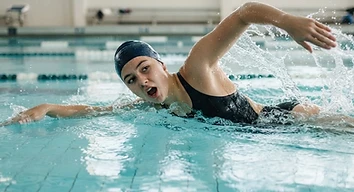
The head should rotate with the body, staying low, with one goggle lens still in the water. When a swimmer lifts the head to find air, the hips sink, the legs drag, and they have to work harder for the rest of the length.
Breathing into the bow wave
A swimmer moving forward creates a small trough of air beside their face. That is where the breath is. Turning the head rather than lifting it lets the swimmer breathe from that pocket without breaking their body line.
The drills that actually help
- Side kick with one arm extended. Hold the breath position long enough to feel the body line, then rotate to breathe.
- Catch-up freestyle. One arm always forward, which keeps the swimmer long and stops the head lifting early.
- Bilateral breathing. Breathing to both sides every three strokes evens out the stroke and exposes a weak side.
- Controlled repeats. Short distances at a steady pace, focusing only on the breath, before adding any speed.
How much air to take
Big gasping breaths disrupt the rhythm. A quiet, complete exhale underwater followed by a normal inhale on the turn keeps the stroke calm and sustainable.
When it matters most
Breathing problems show up over distance, not in a 25. That is why we build breathing into longer repeats rather than only practising it in short sprints.