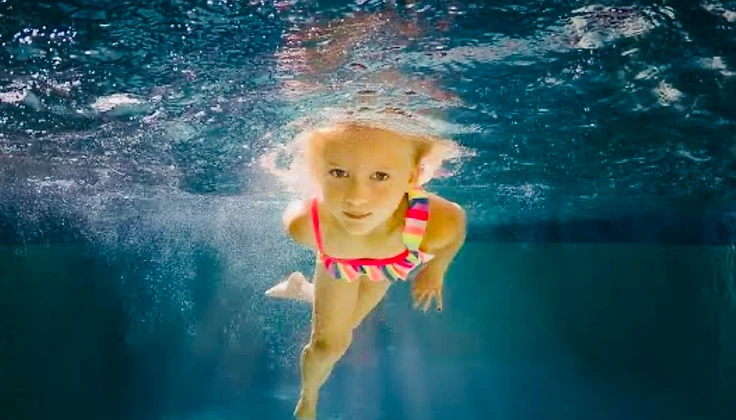
Almost every parent of a crying swimmer asks the same question: should we stop? In most cases the answer is no — but how the crying is handled matters enormously.
What crying usually means
Rarely does it mean the water is harmful. More often it means the situation is new, the child is tired, they are cold, they want a parent, or they have lost control of something and want it back. All of these are manageable.
What we do
- Slow right down and keep the child close to a parent or the wall
- Stop asking for skills until calm returns — comfort first, always
- Change the approach rather than pushing harder: a game, a song, a familiar hold
- End a hard lesson on a good note rather than pushing through to the end
- Tell you honestly what we saw, and what we will try next time
What never helps
Forcing a frightened child into the water teaches them that water is something to be survived. That lesson takes far longer to undo than the skill would have taken to teach.
Why stopping usually makes it harder
Avoidance tends to strengthen fear. A child who stops lessons for a year often returns more anxious than they left. Staying, with a slower pace and a patient instructor, is usually the faster road.
Separation anxiety
If your child is fine in the water but distressed the moment you step away, that is separation anxiety rather than fear of water — and it is normal at certain ages. We often keep a parent nearby for a while, then move gradually. There is no prize for rushing it.

