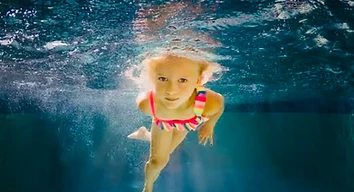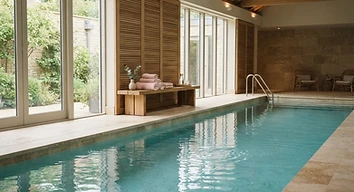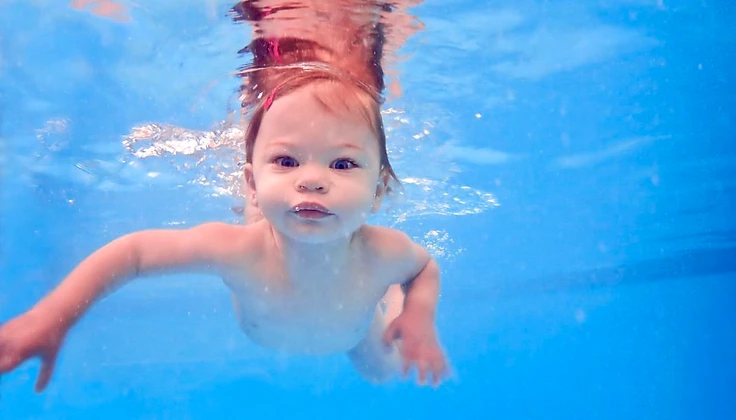
Most drowning accidents involving young children happen in a pool the family knows well — often their own, and usually during a moment that did not feel risky. Home pool safety is not about being fearful. It is about removing the moments where a small mistake becomes irreversible.
Barriers first
- A four-sided fence with a self-closing, self-latching gate, with the latch out of a small child's reach
- Dog doors, sliding doors and windows that open onto the pool area secured the same way as a gate
- Safety covers that meet current standards — and never a cover a child could slip beneath
- Pool alarms and door alarms as a backup layer, not a replacement for a fence
The rules that hold up in real life
Rules only work if they are simple enough to keep. Ours are: an adult is always assigned to watch the water, that adult is not on a phone, and no child is in the pool area without an adult — not even for a second, not even to grab a toy.
Toys left floating in the pool are one of the most common reasons a toddler goes outside alone. Store them out of sight when the pool is not in use.
After the swim
Put the cover back, latch the gate, and take the floats out of the water. The few seconds this takes is the cheapest safety measure available to you.
If something happens
Every adult in the household should know CPR and be able to call for help without leaving the child. Seconds matter more than anything else in a drowning emergency.
A fence buys time. Supervision uses it.